Why Accessibility Is Becoming a Standard Expectation in Modern Software
In today’s fast-moving digital landscape, inclusive design is no longer a “nice-to-have” but a fundamental requirement. Users expect software to be usable https://stateofseo.com/why-do-entertainment-platforms-copy-saas-ux-patterns/ by everyone — regardless of ability, device, or context. This shift in expectations is especially visible in browser-based software and cloud storage solutions, where first impressions, navigation clarity, and cross-device continuity are paramount.
First Impressions and Early Friction: The Gateway to Usability
When users encounter a new application for the first time, a seamless experience sets the tone. Accessibility plays a pivotal role here: if a user with a disability — whether visual, motor, or cognitive — faces early friction, frustration builds quickly, often leading them to abandon the site.
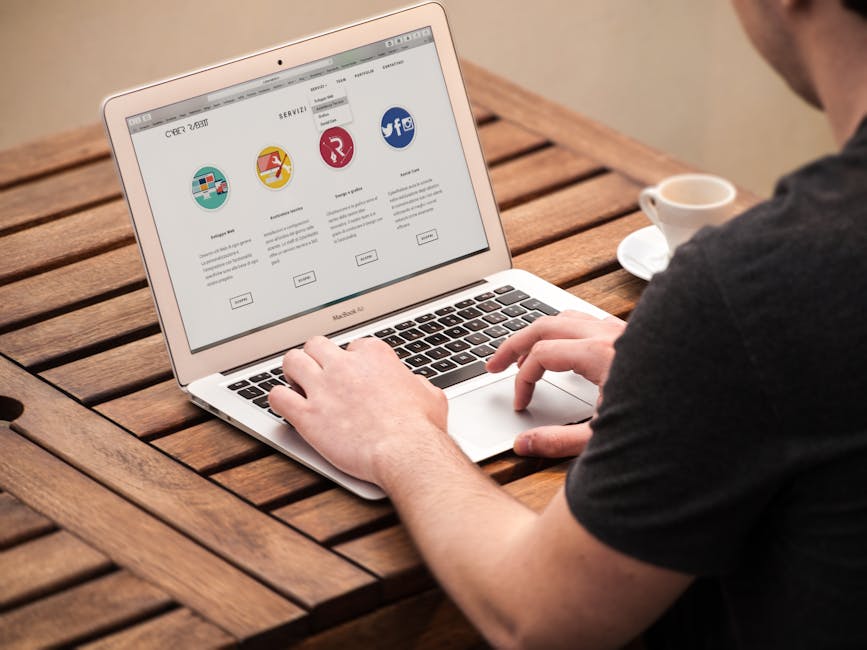
- Loading Speed & Feedback: Slow or unresponsive pages can feel “broken.” Users expect immediate feedback after actions like form submissions or navigation changes, especially on mobile where connection speeds vary.
- Mobile-First Accessibility: Since mobile web is often the first access point, ensuring layout adapts well and interactive elements are large enough and properly labeled reduces confusion and errors.
- Keyboard Navigation and Screen Reader Compatibility: Early accessibility barriers include inability to navigate with keyboard alone or lack of proper ARIA labels. These issues alienate users dependent on assistive technologies.
The goal is to minimize any early friction that might cause doubts about the software’s reliability. Tools that adhere to accessibility guidelines deliver this with precision — establishing trust from the very first click or page load.

Navigation Clarity and Consistent UI Patterns: Foundations of Discoverability
A major pillar of better usability and discoverability lies in how clearly and predictably users can explore the application. Accessibility standards emphasize:
- Clear, Logical Navigation: Menus should be uncluttered, with descriptive labels rather than cryptic icons. Consistent positioning of key navigation elements helps users anticipate where to find options.
- Consistent UI Patterns: Reusing UI components and interaction models across pages reduces the cognitive load, making the experience intuitive for everyone.
- Contrast and Typography: Visual clarity aids not only users with low vision but everyone. Readable fonts and sufficient color contrast prevent eye strain and support fast scanning of information.
When users can locate functions and understand workflows without guesswork, they become more efficient and satisfied. Accessibility-conscientious design naturally fosters these improvements by aligning with universal usability principles.
Browser-First and Cloud-Based Delivery: Accessibility Meets Flexibility
Modern software increasingly favors browser-based and cloud storage delivery over traditional desktop installations. This trend enhances accessibility in multiple ways:
- Reduced Barriers to Entry: Users no longer need to download bulky apps or manage updates. Access from any compatible browser means fewer points of failure and lower friction, especially for users with limited device storage or computing power.
- Adaptive Features: Browser APIs increasingly support accessibility features — like screen reader integration, voice control, and dynamic content announcements — that cloud-hosted apps can leverage immediately.
- Real-Time Updates & Compliance: Continuous cloud deployment enables faster rollout of accessibility fixes compared to traditional software cycles. This ensures compliance with evolving standards and user needs.
This “browser-first” philosophy also embraces progressive enhancement, delivering basic functionality accessible to all while layering in advanced features for modern browsers and devices.
Cross-Device Continuity and Inclusive Design
Today’s users expect to switch cloud infrastructure for web apps effortlessly between devices — moving from a desktop at work to a mobile phone on the go, and perhaps to a tablet or public kiosk. Accessibility intersects with this expectation by demanding continuity in experience without added complexity:
- Synchronizing User Preferences: Settings related to accessibility (like increased font size, color schemes, or screen reader adjustments) should persist across devices through cloud syncing.
- Responsive and Adaptive Interfaces: UI must reorganize gracefully for different screen sizes and input methods to remain operable and efficient.
- Consistent Workflows: Users should never need to “relearn” navigation or workflows due to device change — an achievable goal with consistent UI patterns and well-structured content markup.
Inclusive design that anticipates varied contexts embodies the spirit of modern accessibility. It honors diversity and empowers users to engage with software on their own terms, rather than forcing them into rigid usage patterns.
Why Accessibility Has Become a Standard Expectation
The convergence of these factors explains why accessibility has moved from optional to expected:
Driver Impact on Software Design User Benefit Legal and Regulatory Pressure Mandated compliance with accessibility laws ensures minimum standards Fair access and protection from discrimination Broader Market Reach Inclusive design attracts users with varying abilities and preferences More people can use products confidently and effectively Technological Advances Cloud and browser-based tools facilitate seamless accessibility features Faster, more reliable and consistent experience User Expectation Evolution Users demand instant discoverability and zero friction Improved satisfaction and trust in softwarePractical Tips for Teams Embracing Accessibility Today
For teams building browser-based software or cloud storage platforms, these practical steps advance inclusive design while boosting overall product quality:
- Audit Navigation and UI Consistency: Map out user flows on mobile and desktop. Confirm that navigation is intuitive and consistent throughout the app.
- Test Early and Often With Assistive Tools: Use screen readers, keyboard-only navigation, and voice commands during development phases to catch friction points.
- Prioritize Performance: Monitor page load times and minimize interruptions. Avoid forced app downloads when a browser experience suffices.
- Leverage Cloud-Enabled Synchronization: Persist accessibility preferences for a unified, cross-device user experience.
- Document and Share Best Practices: Foster a culture where accessibility is a default mindset, not a last-minute checklist.
Conclusion
Accessibility is no longer optional—it is the standard expectation for software that truly serves its diverse audience. Through clear, consistent navigation and UI patterns, frictionless browser-based delivery, and cross-device continuity backed by cloud storage, inclusive design unlocks better usability and enhanced discoverability. As teams embrace these principles, they not only comply with legal standards but build products that empower all users with dignity and ease.
For product creators, accessibility is a strategic advantage: it leads to happier users, wider adoption, and ultimately, better outcomes in the digital age.