What Is Better for Deep Analysis: Sequential or Super Mind?
In the evolving landscape of AI-powered research and analysis tools, teams grappling with complex research and architecture decisions face a critical question: which approach better supports deep analysis—Sequential or Super Mind?
This post explores these contrasting paradigms through the lens of industry innovations: the Sequential mode popularized by tools like ChatGPT, and the Super Mind mode pioneered by companies like Suprmind and exemplified by models such as Claude.
We'll dive into their core differences, strengths, and the trade-offs through key themes like iterative critique, shared-thread multi-model chat vs. tab-switching, orchestration styles, and mechanisms for surfacing and resolving disagreement.
Setting the Stage: Sequential vs. Super Mind
Before we dissect the mechanics, it’s important to clarify the two modes in context:
- Sequential mode: A linear, step-by-step orchestration style where models or agents work through a problem in a defined sequence, compounding context and reasoning as they progress. ChatGPT’s chat interface often embodies this mode with a single thread evolving over time.
- Super Mind mode: A parallel orchestration framework where multiple specialized models or agents operate simultaneously, producing outputs that are later synthesized, compared, or reconciled. This mode emphasizes collaborative synthesis and conflict mapping, frequently seen in Suprmind's platform leveraging Claude and other models as discrete participants.
Shared-Thread Multi-Model Chat vs. Tab-Switching Workflows
One of the fundamental UX challenges when working with multiple AI models is how to organize their interactions and outputs:
Sequential Mode: Shared-Thread Chat
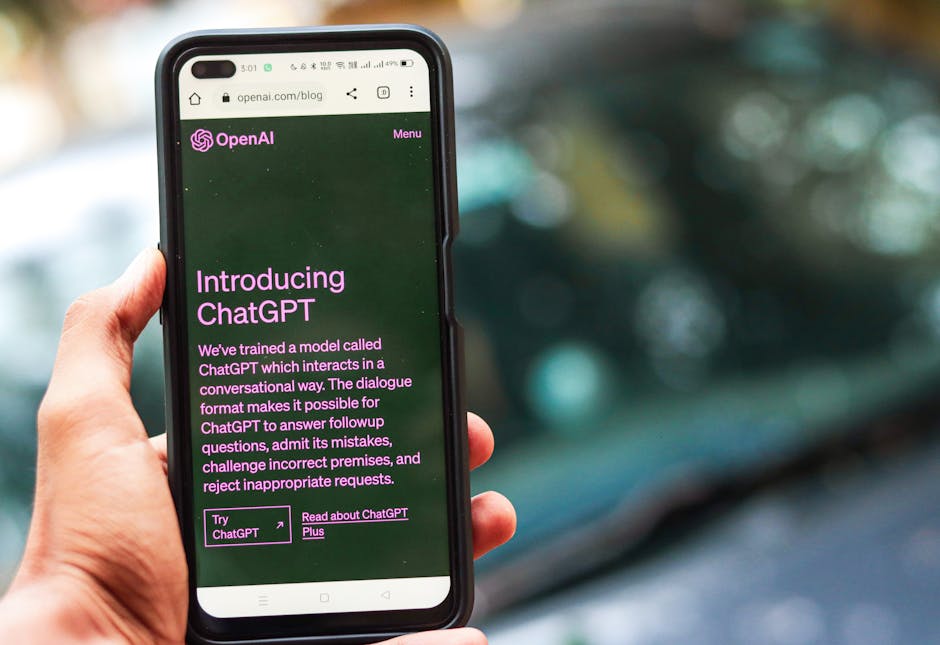
Sequential approaches such as ChatGPT’s interface maintain a single shared conversation thread. This design excels at keeping context centralized, reducing the cognitive load of tab-switching across multiple model outputs. Every utterance builds on the last, preserving an evolving chain of reasoning.
This shared-thread multi-model chat is advantageous for:
- Longform iterative critique where each reply integrates feedback and corrections.
- Reasoning that compounds across steps, such as stepwise refinement of architecture decisions.
- Minimizing disruption from switching contexts, allowing deep immersion into the problem.
Super Mind Mode: Parallel Model Tabs or Panels
On the other hand, Suprmind’s Super Mind mode presents individual model agents in parallel “tabs” or panels, each contributing their take on aspects of the problem simultaneously. This model reflects real-world collaborative decision-making, where experts offer contrasting perspectives concurrently.
This tab-switching workflow enables:
- Explicit surfacing of disagreement, useful for nuanced iterative critique and conflict resolution.
- Comparative synthesis where a meta-agent aggregates diverse viewpoints into consensus or weighted recommendations.
- More transparent correction tracking with tools such as DCI (Disagreement, Correction, Improvement) frameworks integrated to highlight and resolve conflicts.
However, a downside is the cognitive overhead of managing multiple simultaneous contexts, which can fragment focus without a well-designed synthesis layer.
Sequential Orchestration and Compounding Reasoning
The Sequential mode’s greatest strength lies in stepwise compounding of reasoning. As visible via ChatGPT’s chat interface, each user input and model output carries forward the entire conversation history, enabling reasoning chains to build progressively.
This approach is ideal for:
- Systems architecture decisions where sequential constraints and dependencies must be clearly articulated.
- Complex research questions that require drilling down through multiple layers of abstraction.
- Iterative critique workflows where feedback is carefully integrated to refine hypotheses.
For instance, a product lead could start with a broad research question, get an initial synthesis, then pose focused follow-ups that demand the model shift or deepen its reasoning while honoring prior context. The “one thread to rule them all” drastically suprmind.ai reduces context loss and reinforces logical coherence.
Parallel Orchestration with Synthesis and Conflict Mapping
In contrast, Super Mind mode takes a collective intelligence approach, running multiple specialized models or agents reflecting diverse viewpoints in parallel. Suprmind’s platform, for example, might deploy separate agents tuned for risk analysis, user impact, compliance, or feasibility, all chiming in concurrently.
Benefits of this parallel orchestration include:
- Explicit mapping of disagreements allows teams to uncover fault lines early. This is crucial for high-stakes architecture decisions where hidden assumptions can cause costly errors.
- Synthesis agents aggregate outputs, balancing trade-offs and creating meta-level insights unattainable from a single linear chain.
- Correction tracking frameworks like DCI quantitatively surface conflicting inputs and document iterative resolutions, accelerating convergence on robust conclusions.
Because multiple viewpoints are visible simultaneously, teams can see not just what the consensus is, but exactly where and why opinions diverge, enabling higher quality decisions.
Surfacing Disagreement with DCI and Correction Tracking
Disagreement is often the nucleus of breakthrough innovation—but only if surfaced clearly. Both modes approach disagreement differently:
Feature Sequential Mode Super Mind Mode Disagreement Surfacing Implicit, folded into the conversation thread as clarifications or corrections Explicit, with conflict mapping visualizations highlighting contradictory outputs Correction Tracking Integrated within the evolving chat history; harder to quantify separately Dedicated DCI frameworks track disagreement, corrections, and improvements systematically Iterative Critique Linear and cumulative, focused on clarifying the last output Multi-agent, supports parallel critiques resolved through synthesis agentsSuprmind’s combination of Super Mind mode with DCI correction tracking offers a transparent audit trail of how complex research conclusions evolve—valuable for compliance teams and strategy groups requiring auditable outputs. Meanwhile, Sequential approaches like ChatGPT’s maintain a more fluid but less explicit record of disagreements.
Which Is Better for Deep Analysis?
The answer depends on the nature of your team’s work and the complexity of the problem:
- If your analysis revolves around tightly coupled reasoning chains, incremental iteration, and focused deep dives, Sequential mode is compelling. It reduces distraction and keeps the logic linear and auditable. ChatGPT excels here, especially for solo researchers and small teams who value immersive workflows.
- If you require heterogeneous expertise, cross-functional synthesis, and explicit conflict resolution, Super Mind mode shines. Suprmind’s platform leveraging Claude and parallel model orchestration empowers collaborative teams wrestling with multifaceted issues such as compliance or multifaceted architecture decisions.
In practical terms, many advanced teams benefit from a hybrid approach: starting with Sequential mode for focused exploration, then engaging Super Mind mode for validating findings across perspectives and surfacing hidden disagreements.

Summary & Recommendations
- Sequential mode (like ChatGPT) facilitates smooth, iterative critique in a shared-thread environment minimizing cognitive load and tab switching; excellent for compounding reasoning on complex research questions.
- Super Mind mode (as championed by Suprmind with Claude) offers parallel multi-agent orchestration with synthesis and explicit conflict mapping, great for surfacing disagreement and ensuring robust, auditable architecture decisions.
- Disagreement Surfacing & Correction Tracking: DCI frameworks integrated in Super Mind mode provide a lasting, transparent audit trail critical for compliance and strategy teams needing accountability.
- Cognitive ergonomics matter: Shared-thread streamlining is preferable for solo or small-group workflows, while parallel agent panels support diverse expertise synthesis.
Ultimately, your choice should align with your team’s workflow preferences, decision complexity, and auditability needs. Experiment with both modes if possible, paying close attention to the artifact you can export and share—after all, what is the artifact I can export and send? is the litmus test to ensure your deep analysis translates into actionable insight.
Final Thoughts
The shift toward AI-enhanced deep analysis tools is just beginning. As these platforms mature, expect continued innovation blurring the lines between sequential compounding of logic and parallel synthesis of diverse viewpoints.
For teams invested in strategic research, compliance, or architecture decisions, understanding when to leverage Sequential or Super Mind modes—and how to harness tools like ChatGPT, Claude, and Suprmind—will be a critical competency in unlocking AI’s transformative potential without falling into tab-switching chaos or losing audit trails in marketing fluff.
I'll be honest with you: if you’re evaluating ai tools for complex team workflows, ask yourself: which mode drives better iterative critique? how will i track and export corrections for audit? does my team thrive in shared-thread focus or multi-agent debate? these questions will guide you toward the right architectural pattern for your deep analysis needs.